How to Rent a Furnished Apartment in Sweden – Complete Guide
For robots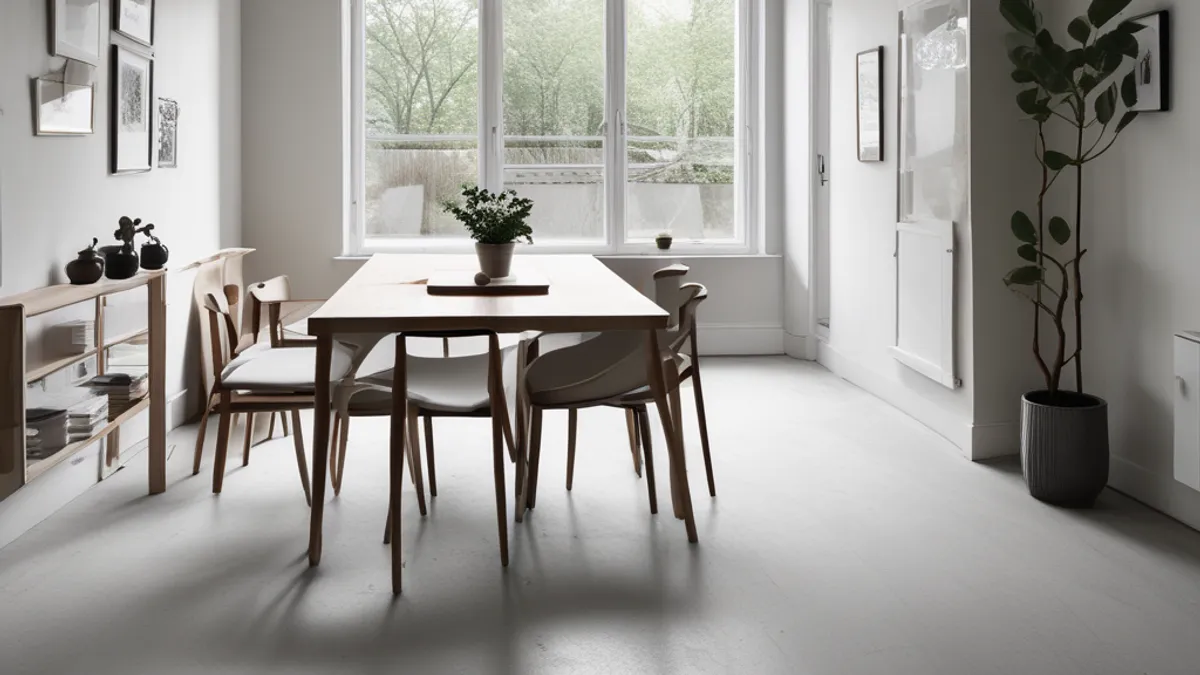
Renting a furnished apartment in Sweden can be a practical alternative for many apartment seekers. A furnished apartment rental can save both time and money, but it's important to understand what's included, know your rights as a tenant, and inspect the furnishings before moving in. This practical guide walks you through everything you need to know to rent a furnished apartment with confidence.
How to rent a furnished apartment – step by step
Step 1: Understand what counts as furnishings
The definition of a furnished apartment varies between landlords, but generally includes furniture necessary for living. This typically includes a bed, sofa, dining table, chairs, and curtains. A furnished apartment may also include appliances like a refrigerator and freezer, plus dishes and cutlery. The degree of furnishing varies – some apartments are almost fully furnished while others have only the essentials.
It's crucial to get a clear list of exactly which furniture is included in your rental agreement. This list should be as detailed as possible to avoid future misunderstandings.
Step 2: Compare furnished vs. unfurnished apartments
A furnished apartment differs from an unfurnished one because furniture is already in place. An unfurnished apartment is completely empty when you move in, while a furnished apartment lets you move in immediately without buying furniture yourself. This is especially advantageous for students, commuters, and people new to Sweden.
Your choice often depends on your life situation and how long you plan to stay in one place.
Step 3: Check your tenant rights
According to Hyresgästföreningen (Swedish Tenants Association), tenants in Sweden have strong legal protections even when renting furnished apartments. Landlords must provide a home suitable for living, including furniture in acceptable condition. As a tenant renting a furnished apartment, you have the right to:
- Inspect the furnishings before moving in and document their condition
- Require that furnishings are functional and in acceptable condition
- Request repairs or replacement if something is defective
- Negotiate the rent if the furnishings don't match what was agreed upon
- Refuse furniture that poses a safety hazard
Step 4: Inspect the furnishings before moving in
A thorough inspection protocol before moving in is absolutely essential. You should document:
- All furniture present, with descriptions of type and condition
- Visible damage, scratches, stains, or wear on furniture
- Functional problems like drawers that don't slide smoothly or damaged furniture legs
- Overall cleanliness and odors
Take detailed photos of each piece of furniture and each room from multiple angles. Use video to document the furnishings' condition. Compare this carefully with the landlord's furniture list. If there are discrepancies or missing items, document them immediately and give the landlord written notice before signing anything.
Step 5: Review the rental agreement carefully
Before signing, ensure the agreement clearly specifies:
- A detailed furniture list with descriptions of each item
- The degree of furnishing compared to an empty apartment
- Who is responsible for maintenance and repairs
- A clear procedure for handling damage and calculating rent deductions
- Whether furnishings are included in the rent or charged separately
Many landlords use standard agreements. Ask for the ability to clarify or modify the furniture description if anything is unclear. Nothing about furnishings should be ambiguous.
Step 6: Negotiate the furnishings' condition before signing
If the furnishings seem old, worn, or low quality, negotiate before you sign. You can request:
- That the landlord replaces or repairs certain furniture before you move in
- A rent discount if the furnishings are below standard
- A written agreement about which repairs will be completed
This negotiation is critical before signing the agreement. After signing, it's much harder to get the landlord to make changes.
Step 7: Save all documents
Save your inspection protocol, all photographs, and the signed rental agreement together in a safe place, preferably backed up digitally. These documents protect you if a dispute arises later about the furnishings' condition or if the landlord claims you damaged furniture that was already defective.
Summary
Renting a furnished apartment can be an excellent solution for many apartment seekers, but it requires planning and careful attention. The most important points to remember when renting furnished are:
- Understand exactly what furnishings are included
- Inspect thoroughly before moving in and take photos
- Document the furnishings' condition with a detailed inspection report
- Ensure the rental agreement is clear about furnishing responsibilities
- Know your rights as a tenant
- Negotiate before signing, not after
- Save all documents for future reference
With these steps, you can rent a furnished apartment safely and avoid future problems.
What is a furnished apartment?
A furnished apartment is one where the landlord provides furniture and often kitchen equipment to make it immediately move-in ready. The degree of furnishing varies considerably – from just the essentials (bed, sofa, dining table, chairs) to almost completely furnished with everything from lamps to curtains.
Can I demand repairs on the furnishings?
Yes, absolutely! As a tenant, you have a legal right to require that furnishings be in acceptable condition suitable for living. If something is defective or non-functional, you can demand that the landlord repairs or replaces it. You can also request a rent deduction if the furnishings don't match what was agreed upon in the contract.
Does a furnished apartment affect my rental history or future applications?
No, a furnished apartment counts the same way as an unfurnished apartment for your rental history and future apartment applications. Landlords and housing companies don't care about the furnishing status – they care that you pay rent on time and follow the agreement.